What Is Form 56?
Form 56 is a document that informs the IRS of the creation or termination of a fiduciary relationship or gives notice of qualification for such a relationship.
Who Is Required to Fill Out Form 56?
Form 56 must be filled out by a fiduciary, which is essentially a person acting on behalf of the taxpayer. A fiduciary assumes all powers, rights, duties, and privileges of the person or entity in this relationship with them, including paying taxes and filing returns.
When Is the Form 56 Due?
There’s no specific due date for an IRS fiduciary form like Form 56, as it is filed whenever a relationship of this kind is established or terminated. In these cases, the document should be submitted as soon as possible to avoid any complications. When a court appoints a fiduciary relationship, the form should be filed within 10 days after its establishment. Other than that, there are no specific requirements.
What Are the Consequences of Not Submitting Form 56?
Though there are no penalties for not submitting Form 56, there are consequences; primarily, that the IRS won’t be aware of the fiduciary relationship. As a result, it will keep sending tax-related information to the previously responsible party, who may no longer be able to act on it. This can lead to missed deadlines, penalties for not filing other forms, and accrued interest.
Where Do I File Form 56?
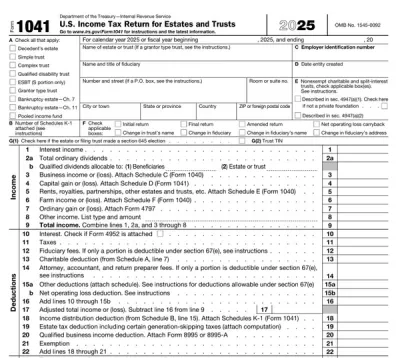
You should file Form 56 with the IRS; more specifically, with the center where your benefactor files their tax returns. Form 56, defining fiduciary responsibility, must be submitted by mail, though some tax software allows you to attach it to Form 1041, Fiduciary Return, as a PDF.