What Is Form 712 Used For?
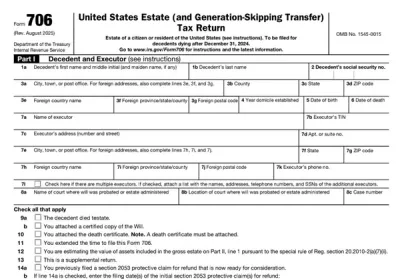
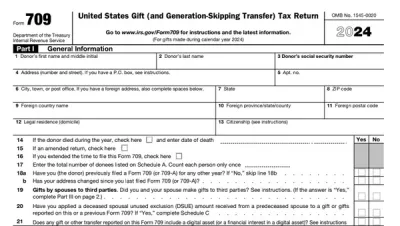
Form 712 is used to report the value of life insurance policies as part of an estate or gift tax return. As such, it’s never filed as a standalone; you only complete it if you need to file Forms 706, 706-NA, or 709.
Note that IRS Form 712 must be completed and signed by the life insurance company, not the executor or donor. The executor or donor requests the completed form from the insurer and attaches it to the applicable tax return.
Who Should Use Form 712?
Form 712 is used and filled out by the life insurance company at the request of the executor or donor. Executors filing an estate tax return request it from the insurer to report policy values, while donors use it when transferring a policy as a gift.
When Is Form 712 Due?
Form 712 is due on the same date as the form it’s attached to. In other words, if you’re filing it with Forms 706 or 706-NA, it should be submitted within nine months after the decedent’s death. However, the deadline is different when it’s sent with Form 709; typically, it’s April 15th.
Also, executors can request a six-month extension for Form 706 using Form 4768, which extends the submission deadline accordingly.
What Happens If Form 712 Is Not Submitted?
If Form 712 isn’t submitted, the IRS is more likely to conduct an estate audit, and the entire assessment process becomes more complicated. Furthermore, failure to submit tax information can lead to penalties and interest.
Also, keep in mind that if the decedent or donor held multiple life insurance policies, a separate Form 712 must be completed by the insurer for each individual policy.
How and Where Do I File Form 712?
You should attach Form 712 to Forms 706, 706-NA, or 709 and submit the package to the designated IRS addresses. This form generally has to be filed by mail, as e-filing is currently unavailable.