What Is Form 926 Used For?
Form 926 is used to report certain transfers of tangible and intangible property to foreign corporations. Cash counts too, if the person holds at least 10% of the total voting power or the total value of the foreign corporation immediately after transfer, or if the amount transferred exceeds $100,000 in 12 months.
Who Should Use Form 926?
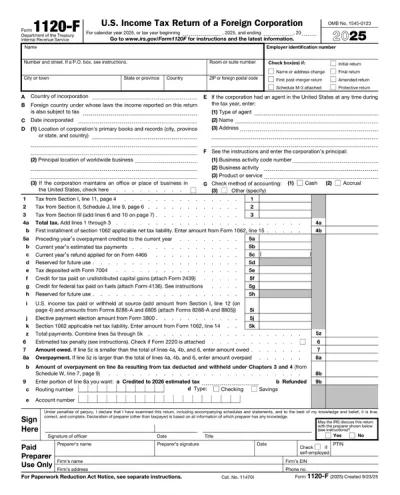
Form 926 should be used by all taxpayers who meet the criteria above, whether they are U.S. citizens and residents, domestic corporations, partnerships, trusts, or estates. Depending on your situation, you may also need to file Form 5471 if you hold an interest in a foreign corporation, or Form 8865 if a foreign partnership is involved.
When Is Form 926 Due?
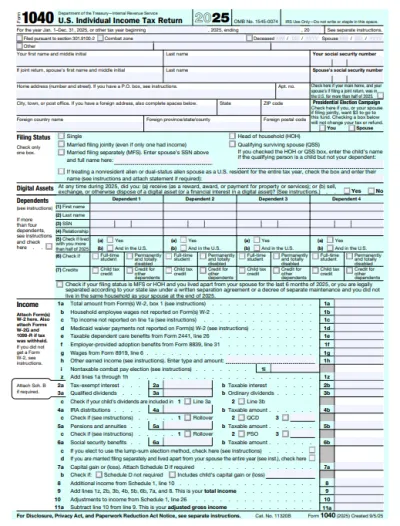
Form 926 is due on the same day as the transferor’s income tax return, as it must be attached to this document. So, for example, if you are filing it as an individual, your deadline will be April 15th, as this is when Form 1040, U.S. Individual Income Tax Return, is due.
What Happens If Form 926 Is Not Submitted?
If you don’t submit Form 926, you will face a penalty equal to 10% of the fair market value of the property at the time of the transfer, with a maximum of $100,000. However, if the IRS establishes intentional disregard, this maximum doesn’t apply.
On the other hand, your Form 926 penalty might be waived if you can provide a reasonable cause for failing to comply with the law.
How and Where Do I File Form 926?
You should file Form 926 with the IRS as an attachment to your income tax return. The IRS allows you to do this by mail or electronically.